If your dentist has recommended a root canal, chances are the first thing you did was search "is root canal painful" and landed on a decade-old horror story. The truth is, root canal treatment (RCT) today is one of the most routine, comfortable procedures in modern dentistry, and it's the reason millions of people keep …

If your dentist has recommended a root canal, chances are the first thing you did was search “is root canal painful” and landed on a decade-old horror story. The truth is, root canal treatment (RCT) today is one of the most routine, comfortable procedures in modern dentistry, and it’s the reason millions of people keep their natural teeth instead of losing them.
At Vedant Hospital’s dental care unit in Thane, we see this fear play out every week: patients delaying treatment out of anxiety, only to end up with a more painful, more expensive extraction later. Let’s clear up the confusion, myth by myth.
Our mission is to provide professional dental care in a calm, welcoming environment where children and parents feel heard and understood.
Dr Harshvardhan Singh
Myth 1: "Root Canals Are Extremely Painful"
Fact: This is the most persistent myth, and it’s outdated by about 30 years. Modern local anesthesia numbs the area completely during the procedure, and most patients report the experience feels similar to getting a filling. The pain people remember is usually caused by the infection itself — the discomfort that brings you to the dentist in the first place — not the treatment that relieves it.
Myth 2: "It's Better to Just Extract the Tooth"
Fact: Nothing works quite like your natural tooth. Extraction may seem like a quick fix, but it creates a gap that can shift surrounding teeth, affect your bite, and eventually require a bridge or implant — both more expensive and more invasive than a root canal. Whenever a tooth can be saved, dentists recommend saving it.
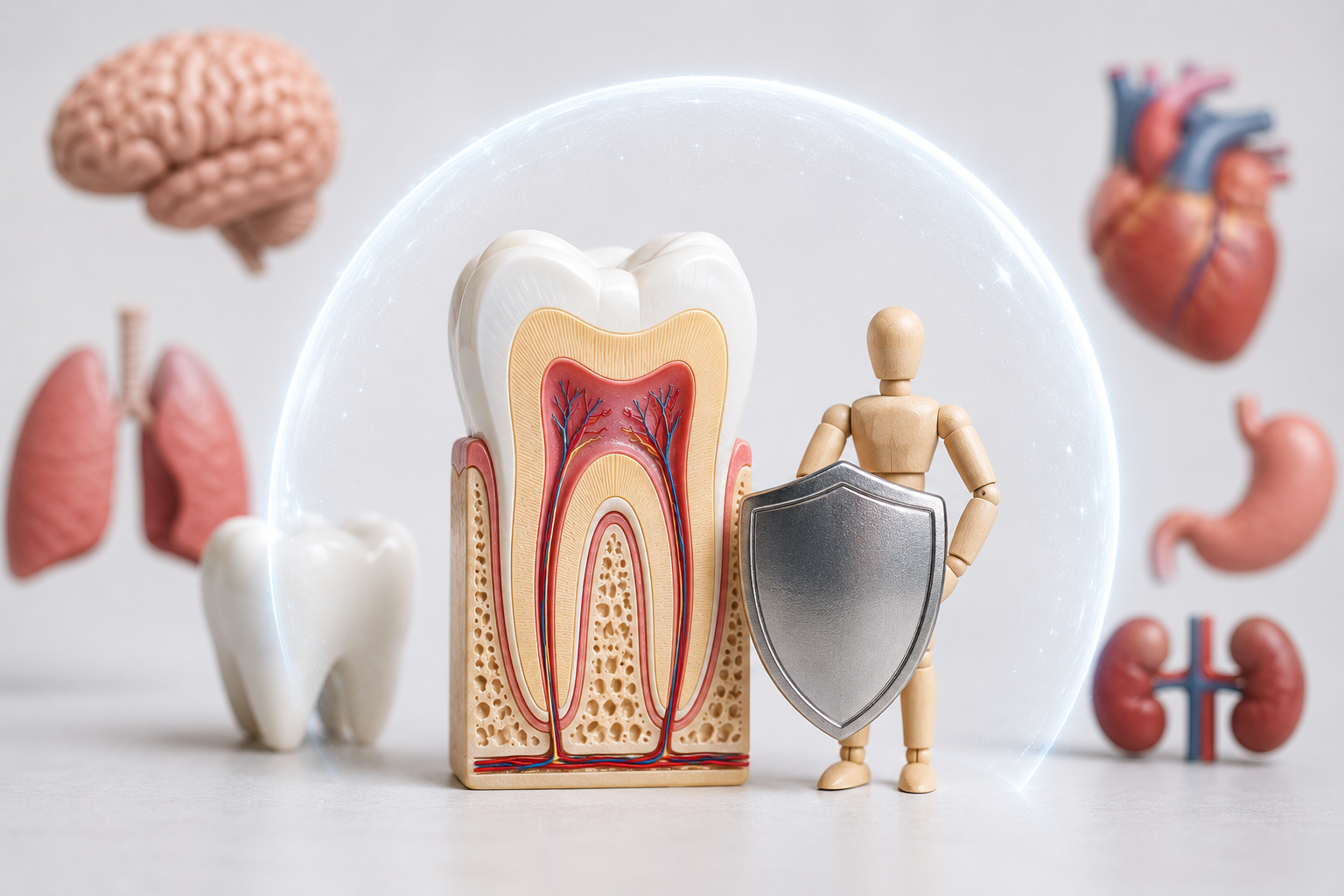
Myth 3: "Root Canal Treatment Causes Illness Elsewhere in the Body"
Fact: This claim traces back to a discredited study from the early 1900s and has been repeatedly debunked by modern research and dental associations worldwide. There is no credible scientific evidence linking root canal-treated teeth to diseases elsewhere in the body. It remains a safe, well-studied procedure performed millions of times a year.
Myth 4: "One Sitting Is Never Enough"
Fact: Depending on the tooth’s condition — number of canals, extent of infection, and whether it’s a front tooth or molar — treatment can be completed in a single visit or may need two sittings. Your dentist will assess this on X-ray before starting, so there are no surprises mid-treatment.
Myth 5: "Recovery Takes Weeks"
Fact: Most patients return to normal activities the same day. Mild sensitivity or tenderness for 2–3 days is common and manageable with over-the-counter pain relief, but there’s no extended downtime. Chewing on the treated side is usually avoided for a few days until a permanent crown is placed.
Myth 6: "A Root Canal-Treated Tooth Doesn't Need a Crown"
Fact: A tooth that’s had a root canal is more brittle because it no longer has a live blood supply. Especially for molars used in chewing, a crown protects the tooth from cracking and significantly extends its lifespan — often 15–20 years or more with good care.
Myth 7: "Root Canal Treatment Is Very Expensive"
Fact: Cost varies by tooth location and complexity, but when you compare it to the long-term cost of extraction plus a bridge or implant, root canal treatment is usually the more economical choice, and it preserves your natural tooth structure and bite.
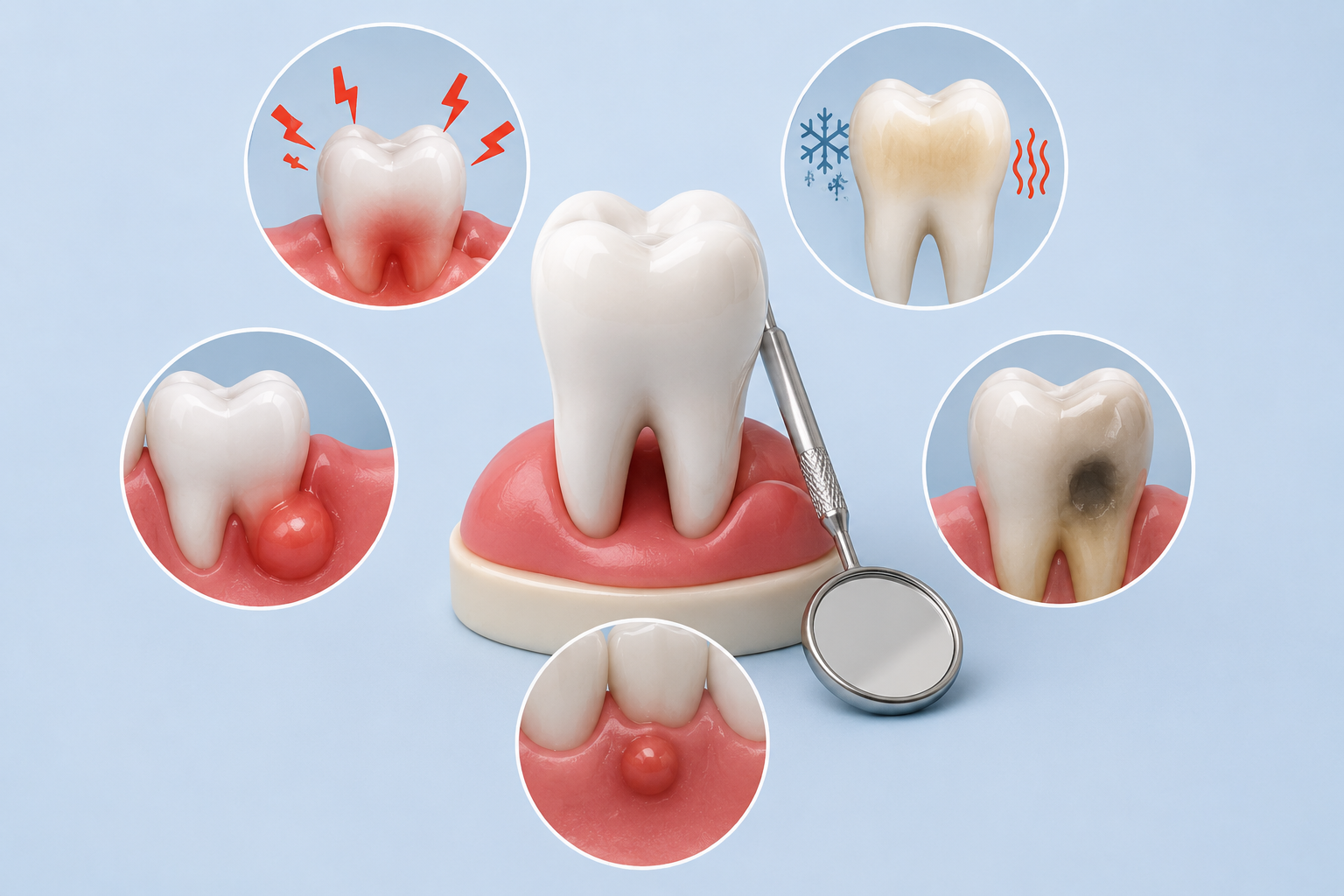
Signs You Might Need a Root Canal
- Persistent or throbbing tooth pain, especially when chewing
- Sensitivity to hot or cold that lingers well after the stimulus is removed
- Swelling or tenderness in the gums near a tooth
- A darkening or discoloration of the tooth
- A recurring pimple-like bump on the gums